
Matcha vs Coffee Caffeine: Which Gives Better Energy & Focus?
- Sam Blake
- Apr 21
- 9 min read
It's 8 AM. Your alarm went off 20 minutes ago. You're still staring at the ceiling, half-asleep, wondering how you're going to power through back-to-back meetings, a packed Slack inbox, and a deadline that's already breathing down your neck.
You reach for your phone and search: "matcha vs coffee caffeine — which is actually better?"

So let me give you a straight, no-fluff answer.
Matcha vs Coffee Caffeine – Quick Answer
Coffee usually has more caffeine per cup than matcha. But matcha delivers longer-lasting, steadier energy because it contains L-theanine — an amino acid that slows down caffeine absorption, prevents sharp spikes, and significantly reduces the risk of a crash.
If you want a quick jolt, coffee wins. If you want calm, sustained focus for 3–5 hours, matcha is hard to beat.
How Much Caffeine is in Matcha vs Coffee?
This is where most people get confused — and honestly, the numbers can vary quite a bit depending on how you prepare your drink.
Here's what the research says:
Regular brewed coffee: 80–100 mg of caffeine per 8 oz cup
Espresso (single shot): approximately 63 mg per 1 oz shot
Matcha (ceremonial grade, 2g powder): approximately 60–70 mg per serving
At first glance, matcha doesn't seem that far behind. In fact, if you use a strong 2-teaspoon serving of ceremonial matcha, you can get close to 80–90 mg. The difference isn't always about quantity — it's about how your body processes it.
Caffeine Comparison Table: Matcha vs Coffee vs Espresso
Drink | Caffeine Content | Energy Duration | Crash Risk |
Regular Coffee (8 oz) | 80–100 mg | 2–3 hours | High |
Espresso (single shot) | ~63 mg | 1.5–2 hours | Moderate–High |
Matcha (2g ceremonial) | 60–70 mg | 4–6 hours | Low |
Strong Matcha (4g) | 80–140 mg | 5–7 hours | Very Low |
Note: Values are average estimates. Actual caffeine content varies by brand, preparation, and quality.
Why Matcha Caffeine Feels Different Than Coffee
This is the section most articles skip over — and it's the most important part.
Coffee → Fast Absorption
When you drink coffee, caffeine is absorbed into your bloodstream quickly — usually within 15–45 minutes. Your brain gets flooded with alertness signals. Energy shoots up fast.
That's great for a quick wake-up — but it comes at a cost.
Because the rise is so sharp, the drop tends to be equally sharp. Around the 3-hour mark, many people hit a wall — foggy thinking, low motivation, that familiar urge to reach for a second (or third) cup. This is what we call the caffeine crash, and it's caused by a rapid drop in blood caffeine levels combined with adenosine rebound in the brain.
I've watched this pattern play out in every office I've ever visited across Mumbai, Bengaluru, and São Paulo — the coffee clock is real.
Matcha → Slow Release Energy
Matcha works differently — and it's all because of one compound: L-theanine.
L-theanine is a rare amino acid found almost exclusively in shade-grown tea plants. Because matcha leaves are shaded from sunlight 3–4 weeks before harvest, the plant produces significantly more L-theanine than regular green tea — up to 5 times more.
Here's what L-theanine actually does:
It slows the rate at which caffeine enters your bloodstream
It stimulates alpha brain waves — the same waves active during calm, focused states like meditation
It blunts the adrenal spike that causes jitters and anxiety
The result? Instead of a sharp energy peak followed by a crash, you get what researchers and matcha drinkers call "calm alertness." You feel focused, clear-headed, and in control — without the racing heart or restless leg syndrome that comes with too much coffee.
A 2008 study published in the journal Brain Topography found that L-theanine improved performance on cognitively demanding tasks. Another study in the British Journal of Nutrition confirmed that combining caffeine + L-theanine improved attention, alertness, and working memory while reducing anxiety.
That's the science behind why matcha caffeine vs espresso feels like night and day, even when the milligram counts are similar.
Matcha vs Coffee Caffeine – Energy Timeline
Here's a practical way to picture how each drink plays out during your day:
☕ Coffee Energy Timeline:
0–15 min → Caffeine absorption begins
30–45 min → Peak energy and alertness hit
1–2 hrs → Energy plateau (feels great here)
3 hrs → Energy starts dropping
3–5 hrs → Crash zone — fatigue, brain fog, irritability
🍵 Matcha Energy Timeline:
0–20 min → Gentle, gradual caffeine rise
30–60 min → Steady focus builds (no spike)
1–4 hrs → Consistent, calm energy — no jitters
4–6 hrs → Energy slowly, gently tapers off
No hard crash → Just a natural wind-down
This is why so many professionals — from software engineers in Pune to writers and designers in Delhi — are shifting their morning routine from coffee to matcha.
Matcha vs Coffee: Which is Better for You?
There's no single right answer. It depends entirely on what you need in that moment.
Choose Matcha if:
You want steady focus across a 3–5 hour work session
You're prone to coffee anxiety, jitters, or a racing heart
You have a sensitive stomach (matcha is gentler than coffee)
You're doing deep work — writing, coding, strategic thinking
You want to cut back on coffee without losing all caffeine
Choose Coffee if:
You need an instant wake-up in the morning
You have a short burst of high-energy activity ahead
You're heading to the gym or a physically intense session
You love the bold, rich flavour and ritual of a strong espresso
You need peak alertness for 30–90 minutes
Matcha vs Coffee for Focus, Gym & Work
Let me break this down practically — because context matters a lot here.
For studying or deep work sessions: Matcha is the clear winner. The L-theanine + caffeine combo promotes sustained concentration without distraction. I personally switched to matcha before writing reports and noticed a genuine difference in how long I could stay in flow state without mentally wandering.
For the gym or morning workout: Coffee wins here. The fast caffeine spike increases adrenaline output, improves physical performance, and gives you that raw energy push you need before lifting or running. Studies show caffeine can boost performance by 11–12% in endurance tasks.
For office work and long meetings: Matcha is your best bet. You stay sharp and even-tempered — no mid-meeting brain fog, no jittery leg under the table. Especially useful for back-to-back video calls that drain mental energy.
For an afternoon pick-me-up (post 3 PM): Matcha again. The slower caffeine release means less risk of disrupting your sleep at night. With coffee this late, many people — especially those living in Hyderabad or Chennai's late work culture — report difficulty falling asleep by midnight.
Health Impact of Matcha vs Coffee Caffeine
Both drinks bring real health benefits to the table. Here's the honest breakdown:
Matcha Health Highlights:
Rich in EGCG (Epigallocatechin gallate) — one of the most powerful antioxidants studied in nutrition science
Antioxidant content in matcha is estimated to be 10–15 times higher than regular green tea
Supports blood sugar stability, which helps prevent energy swings
Gentle on the digestive system — less acidic than coffee
Contains chlorophyll from the shading process — naturally detoxifying
Coffee Health Highlights:
Excellent for energy metabolism — supports fat burning and athletic performance
Rich in polyphenols and antioxidants (yes, coffee is actually antioxidant-rich too)
Shown to improve short-term cognitive performance and reaction time
Multiple studies link moderate coffee consumption (2–3 cups/day) to reduced risk of certain chronic conditions
May boost dopamine and serotonin production short-term
The bottom line? Both are genuinely healthy in moderation. It's not a competition — it's about knowing when to use which tool.
Where to Buy Premium Matcha & Coffee in India
Here's something I hear constantly from health-conscious professionals in Mumbai, Bengaluru, Hyderabad, and Pune: "Where do I get the real stuff? Not the low-quality powder sold in supermarkets or watered-down pods from generic brands?"
The good news? You don't need to fly to London or Tokyo anymore.
LondonKart.in is one of the best online destinations in India right now for premium imported coffee and matcha. Here's what stood out to me about their range:
For instant, high-quality coffee energy:
Starbucks Nespresso-Compatible Coffee Pods — starting at just ₹575 for 10 pods — including Espresso Roast, Blonde Espresso, Pike Place Roast, and more. Café-quality espresso at home, no barista required.
illy Forte Roast & Classico Lungo Nespresso Pods — ₹899 for 10 pods — Italian craftsmanship in every cup, with that signature illy smoothness.
For ceremonial-grade matcha energy:
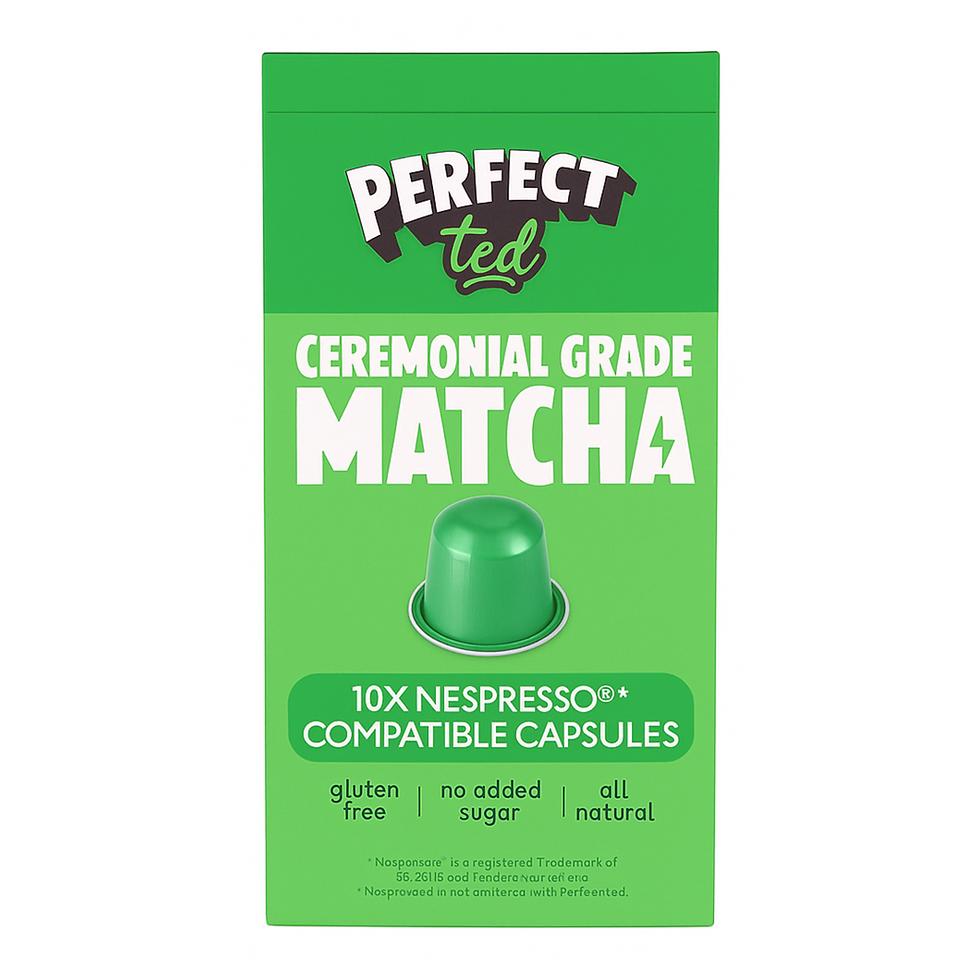
PerfectTed Ceremonial Grade Matcha Nespresso-Compatible Capsules — ₹999 for 10 pods — this is real ceremonial-grade matcha, not the cheap culinary stuff. Also available in Strawberry Matcha, Vanilla Matcha, and Salted Caramel Matcha for variety.
What I appreciate about LondonKart is that they carry authenticated, imported products — not local knockoffs. Free shipping, fast delivery, and a range that's genuinely curated for the quality-conscious Indian consumer.
👉 Shop Now at LondonKart.in — and bring both the coffee energy and the matcha focus into your daily routine.
Frequently Asked Questions
Does matcha have more caffeine than coffee?
No — coffee generally has more caffeine per cup than matcha. A standard 8 oz coffee has 80–100 mg of caffeine, while a typical matcha serving has 60–70 mg. However, a strong, double-serving matcha can approach similar caffeine levels. The bigger difference isn't the amount — it's how your body absorbs it. Matcha's L-theanine slows caffeine release, giving you a smoother, longer-lasting effect compared to coffee's fast spike.
Why does matcha feel stronger than coffee sometimes?
That's the L-theanine effect. Even with less caffeine, matcha produces a deeper, more sustained sense of focus because L-theanine activates alpha brain waves — the ones linked to calm, alert concentration. Reddit users who've made the switch often describe it as: "It's like coffee with the anxiety removed." The focus feels more controlled and less jittery.
Is matcha better than coffee for anxiety?
Yes, for most people — matcha is significantly less likely to trigger anxiety. Coffee's rapid caffeine spike raises cortisol and adrenaline, which can worsen anxiety, especially in people already prone to it. Matcha's L-theanine actively counters these effects by promoting relaxation without sedation. If you've ever felt a racing heart or anxious thoughts after your second cup of coffee, switching to matcha during those moments could genuinely help.
Can I replace coffee with matcha completely?
Yes, you absolutely can — and many people do. If you're switching for steady energy, reduced anxiety, or better sleep quality, matcha is a very viable replacement. The caffeine is enough to keep you alert and productive throughout the day. The transition might take a week of adjustment as your body recalibrates. Starting with one matcha replacing your second coffee of the day is a smooth way to begin.
Written by Sam Blake
Disclaimer
The information provided in this article is intended for general educational and informational purposes only. It is not a substitute for professional medical advice, diagnosis, or treatment.
Caffeine sensitivity varies significantly between individuals. If you have any underlying health conditions — including but not limited to anxiety disorders, heart conditions, high blood pressure, insomnia, pregnancy, or gastrointestinal issues — please consult a qualified healthcare professional before making changes to your caffeine intake or switching between beverages.
The caffeine content figures mentioned in this article (for coffee, espresso, and matcha) are average estimates sourced from published research and reputable industry references. Actual caffeine levels may vary depending on the brand, preparation method, water temperature, serving size, and product quality.
Product pricing and availability mentioned for LondonKart.in are based on information available at the time of writing and are subject to change. Please visit the website directly for the most current pricing and stock information.
References to peer-reviewed studies are provided for transparency and educational context. These studies are cited as supporting evidence and do not constitute an endorsement of any specific product, brand, or health claim.
References & Sources:
This article is backed by authoritative sources.
[1] Naoki Matcha — Why the Caffeine Content in Matcha Beats Coffee 🔗 https://naokimatcha.com/blogs/articles/why-the-caffeine-content-in-matcha-beats-coffee
[2] Ujicha Matcha — Matcha vs Coffee: Caffeine, Energy, Focus & Crash Compared 🔗 https://ujichamatcha.com/blogs/latest/matcha-vs-coffee-caffeine-energy-focus-crash-compared
[3] Breville — Matcha vs. Coffee: Energy Boost Comparison 🔗 https://www.breville.com/us/en/blog/coffee-and-espresso/matcha-vs-coffee.html
[4] Chalait — Understanding the Caffeine Content in Matcha Tea 🔗 https://www.chalait.com/blogs/matcha-guide/understanding-the-caffeine-content-in-matcha-tea
[5] Matcha Direct (Kyoto) — How Much Caffeine is Contained in Matcha vs Coffee? 🔗 https://matchadirect.kyoto/blogs/matcha-101/how-much-caffeine-is-contained-in-matcha-vs-coffee
[6] Breakaway Matcha — Matcha, Productivity, and L-Theanine 🔗 https://breakawaymatcha.com/blogs/journal/matcha-productivity-and-ltheanine
[7] Kelly SP, Gomez-Ramirez M, Montesi JL, Foxe JJ (2008) — L-Theanine and Caffeine in Combination Affect Human Cognition as Evidenced by Oscillatory Alpha-Band Activity and Attention Task Performance — Journal of Nutrition, 138(8): 1572S–1577S 🔗 https://pubmed.ncbi.nlm.nih.gov/18641209/
[8] Haskell CF, Kennedy DO, Milne AL, Wesnes KA, Scholey AB (2008) — The Effects of L-Theanine, Caffeine and Their Combination on Cognition and Mood — Biological Psychology, 77(2): 113–122 🔗 https://www.sciencedirect.com/science/article/pii/S1756464611000351
[9] Lucent — Matcha Energy vs Coffee vs Energy Drinks: Which Is Best for Focus? 🔗 https://www.drinklucent.com/blogs/lucent/matcha-energy-vs-coffee-vs-energy-drinks-best-focus-booster
[10] Grgic J et al. (2021) — International Society of Sports Nutrition Position Stand: Caffeine and Exercise Performance — Journal of the International Society of Sports Nutrition 🔗 https://link.springer.com/article/10.1186/s12970-020-00383-4
[11] Matcha.com — Caffeine in Matcha | How Much Caffeine is in Matcha Green Tea Powder? 🔗 https://matcha.com/blogs/news/matcha-caffeine
[12] Hardtank — What is the Matcha Latte Caffeine Content and Why Does It Differ from Coffee? 🔗 https://hardtank.com/2026/01/22/matcha-latte-caffeine-content/
[13] U.S. Food & Drug Administration (FDA) — Spilling the Beans: How Much Caffeine is Too Much? 🔗 https://www.fda.gov/consumers/consumer-updates/spilling-beans-how-much-caffeine-too-much
[14] Mason R, Dias A (2021) — A Randomized, Triple-Blind, Placebo-Controlled, Crossover Study to Investigate the Efficacy of a Single Dose of AlphaWave® L-Theanine on Stress in a Healthy Adult Population — PubMed / National Library of Medicine 🔗 https://pubmed.ncbi.nlm.nih.gov/34562208/


Comments