
Matcha Coffee: Matcha vs Coffee for Daily Energy — Ultimate Guide + Why PerfectTed Matcha Capsules Win
- Sam Blake
- Mar 2
- 11 min read
Let's be real. You love coffee. I do too. After two decades walking through coffee farms in Colombia, Ethiopia, and Brazil, coffee is practically in my bloodstream. But here's the thing — that 2 PM crash we all pretend doesn't happen? It's real, it's brutal, and it's killing your productivity.
That's exactly why I started exploring matcha coffee — not as a replacement, but as a smarter energy strategy. And after testing dozens of products across my career, I can tell you that PerfectTed Matcha Capsules (available right now on LondonKart.in) are the most practical, no-fuss way to upgrade how you fuel your day.
This guide is your complete, science-backed breakdown of matcha vs coffee for daily energy. By the end, you'll know exactly what your body is doing when you drink either one — and why millions of people are quietly switching their afternoon cup.
What Is Matcha Coffee? Definition, Origins, and Modern Interpretation
"Matcha coffee" refers to using matcha — a powdered Japanese green tea — as a coffee alternative for daily energy, focus, and wellness. It's one of the fastest-growing search terms in the beverage world right now, and for good reason.
Matcha itself dates back over 800 years in Japan. Zen Buddhist monks used it to stay alert during long meditation sessions.
The trick? It worked without making them anxious or jittery. Modern science now knows exactly why that happened — and it comes down to one key compound we'll cover shortly.
Traditional matcha involves whisking fine green powder with hot water using a bamboo whisk. It's a beautiful ritual. But for most people in India running between meetings, commutes, and deadlines? It's a hassle.
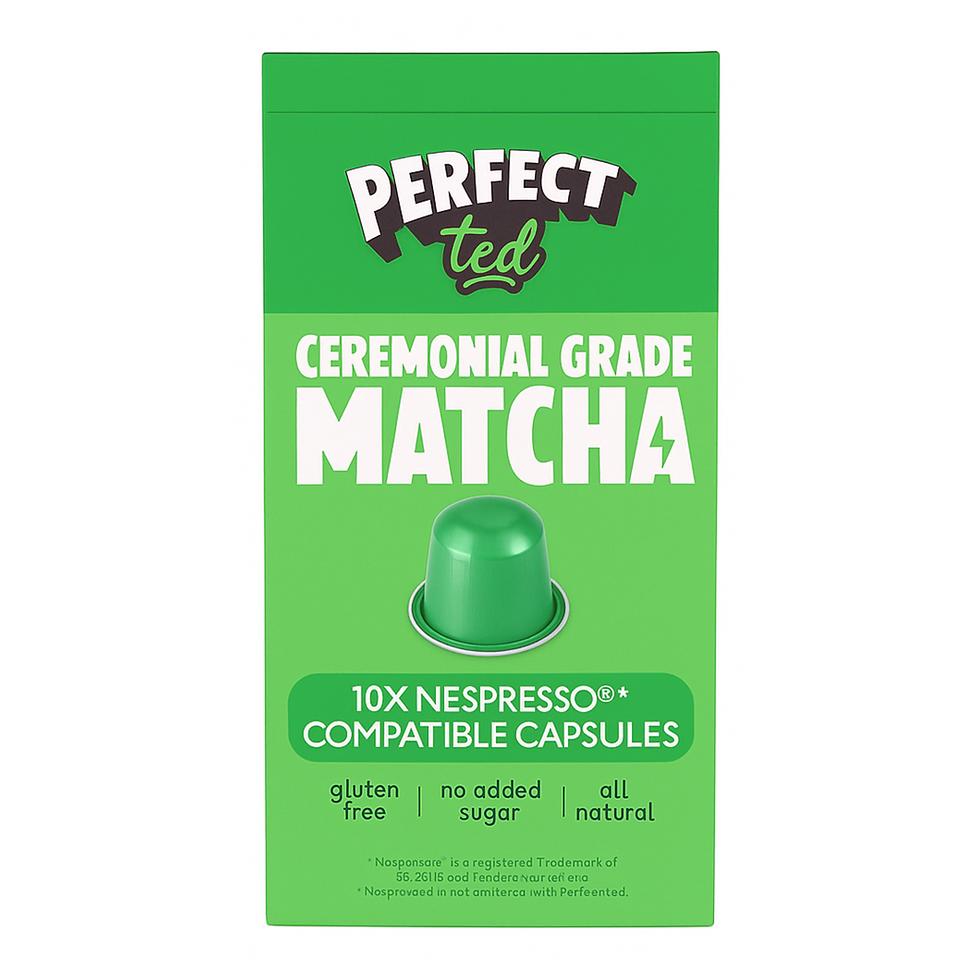
That's where PerfectTed Matcha Capsules change everything. These are Nespresso-compatible pods packed with ceremonial grade matcha sourced from Uji, Japan — one of the most respected matcha-growing regions on the planet. You pop one into your existing Nespresso machine, press the espresso button twice, and you're done. No whisking. No mess. Same benefits. Every. Single. Time.
PerfectTed comes in 3 flavors —
Original Matcha, Vanilla Matcha, and Salted Caramel Matcha — all available at LondonKart.in.
The Science of Energy: Caffeine, L-theanine & Focus Mechanisms
The core biological difference between matcha and coffee energy: coffee floods your brain with caffeine rapidly, while matcha delivers caffeine slowly alongside L-theanine — an amino acid that creates calm, sustained alertness without the spike or crash.
Let me break this down without the lab coat jargon.
The Caffeine Spike: What Coffee Actually Does to Your Brain
When you drink coffee, caffeine rushes in and blocks adenosine receptors — adenosine is the chemical your brain builds up to make you sleepy. Coffee basically slams the brakes on tiredness. Hard. Fast. Within 15 to 30 minutes, you feel wired.
The problem? That block wears off just as quickly. And when it does, all that built-up adenosine floods back in at once. That's your crash. That's the 2 PM wall. I've felt it in boardrooms in São Paulo and on flights back from origin farms. It doesn't matter where you are — the crash finds you.
A standard cup of coffee carries anywhere from 95 to 200 mg of caffeine. Your cortisol spikes. Your heart rate picks up. For some people? Hands shake. Sleep gets ruined if you drink it past noon.
The L-Theanine Brake: How Matcha Smooths the Ride
Here's my favorite way to explain this. Coffee is a drag racer — zero to sixty in seconds, then it stalls. Matcha is a cruise-control luxury car — steady speed, comfortable, and you actually arrive where you're going.
L-theanine is an amino acid found almost exclusively in shade-grown green tea. It crosses the blood-brain barrier within 30 minutes and promotes alpha brain waves — the same brain state associated with focused creativity and relaxed alertness. It also triggers GABA, serotonin, and dopamine, the "feel good and focus" trio.
When L-theanine pairs with caffeine (which it naturally does in matcha), the result is what researchers call "calm alertness" — a state that coffee physically cannot produce on its own.
A PerfectTed Matcha Pod contains approximately 43 to 51 mg of caffeine paired with meaningful levels of L-theanine. That's enough to sharpen your focus for 4 to 6 hours without the cortisol spike, without the jitters, and without the afternoon crash.
In my 20 years of product testing, I've tried hundreds of energy formulations. The caffeine + L-theanine synergy in quality matcha is the most elegant, natural performance combination I've come across.
Matcha vs Coffee: Head-to-Head Comparison
The Full Numbers — At a Glance
Factor | Matcha (PerfectTed Pod) | Regular Coffee (1 Cup) |
Caffeine Per Serving | ~43–51 mg | 95–200 mg |
L-Theanine | 20–39 mg | 0 mg |
Energy Duration | 4–6 hours (sustained) | 1.5–3 hours (spike + crash) |
Antioxidants (ORAC) | ~1,384 units/gram | 200–550 units/gram |
EGCG Catechins | High (whole leaf consumed) | Minimal |
Acidity (pH) | 8–9 (alkaline/neutral) | 4.85–5.10 (acidic) |
Risk of Jitters | Low | Medium to High |
Effect on Cortisol | Neutral to calming | Increases cortisol |
Good After 2 PM? | Yes | Risky for sleep |
Suitable for IBS/Reflux | Generally yes | Often no |
Caffeine Content & Energy Quality
Coffee gives you a "jitter spike." Matcha gives you "calm focus." They are not the same thing, even if both contain caffeine.
Coffee hits faster and harder, which makes it perfect for a quick pre-workout or an early morning shock to the system. I won't argue against that. But for sustained, productive energy — the kind you need to sit through a 3-hour strategy session, write a report, or handle a long client call — matcha wins. It simply lasts longer and stays cleaner.
The L-theanine to caffeine ratio is the key. Studies show this combination improves cognitive performance, attention switching, and accuracy significantly more than caffeine alone. Your brain essentially works better, not just faster.
Antioxidants & Health Impact
Matcha delivers up to 7x more antioxidants than coffee, with a unique compound called EGCG (Epigallocatechin Gallate) that coffee simply doesn't have.
Here's what makes matcha special: when you drink it, you're consuming the entire leaf in powdered form. You're not steeping and discarding. Every antioxidant, every polyphenol, every nutrient stays in your cup. That's fundamentally different from coffee, where you pour hot water through grounds and throw the rest away.
EGCG — matcha's signature antioxidant — has been linked to reduced inflammation, improved metabolism, and enhanced memory through its effect on dopamine breakdown.
Coffee has its own powerful chlorogenic acids and polyphenols that support liver health and blood sugar regulation. Both are genuinely good for you. But matcha's nutritional density is hard to beat.
PerfectTed's pods are made from 100% ceremonial grade, hand-harvested, single-origin matcha from Uji, Japan. That matters. Cheap matcha from unknown sources? The EGCG levels drop significantly. Tested for heavy metals and radiation? Yes — PerfectTed does that too.
Digestion, Acidity & Jitters
Coffee is highly acidic (pH 4.85–5.10) and can trigger acid reflux, IBS flare-ups, and digestive discomfort. Matcha is alkaline to neutral and is generally much gentler on the stomach.
I've spoken to hundreds of coffee drinkers in India who quietly deal with acid issues every morning. They drink their cup, feel the familiar burn, pop an antacid, and carry on. That's not a coffee problem — that's a chemistry problem. Coffee's high acidity irritates the esophageal lining and stomach.
Matcha's near-neutral pH means it doesn't trigger those reactions. The chlorophyll content may even support gentle detoxification. If your stomach protests every morning but you still need the energy? This is worth trying.
PerfectTed Matcha Capsules: Daily Energy Made Simple
PerfectTed Matcha Capsules are Nespresso-compatible pods packed with ceremonial grade matcha from Uji, Japan — giving you consistent, clean energy with zero prep hassle.
Here's the honest truth about loose matcha powder: most people stop using it after a week. The bamboo whisk, the correct temperature, the whisking technique — it's a ritual for those who love it. But for a busy person in Mumbai, Bengaluru, or Delhi juggling work and family? It rarely sticks.
PerfectTed solved that. You already own a Nespresso machine (or your office does). You already know how to press a button. Now you just swap the capsule. That's it.
Why PerfectTed specifically wins:
Ceremonial grade matcha — not culinary grade. The difference in L-theanine content is significant.
Single origin from Uji, Japan — the most respected matcha-growing region in the world.
Tested for heavy metals and radiation — transparent quality assurance.
Vegan, gluten-free, non-GMO — works for almost every lifestyle.
Recycled aluminum pods — environmentally responsible.
Consistent dosage every time — no guesswork on how much powder to scoop.
3 flavors — Original, Vanilla Matcha, Salted Caramel Matcha. All available at LondonKart.in starting at ₹999 for 10 pods.
PerfectTed is backed by Steven Bartlett (of Dragons' Den fame) and is reportedly the biggest matcha brand in Europe. They didn't get there by accident.
When Matcha Coffee Outperforms Regular Coffee
Matcha outperforms coffee in 3 specific scenarios: sustained focus work, afternoon energy needs, and sensitive digestion situations.
Here are the moments I personally reach for matcha over espresso:
Before a long meeting or deep work session. Coffee makes me sharp, but it also makes me restless. I fidget. I want to check my phone. Matcha keeps me in the room, mentally present, without the physical buzz. For a 2–3 hour focus block, matcha is my choice every time.
After 1 PM. Caffeine has a half-life of roughly 5–6 hours. A cup of coffee at 2 PM means roughly half that caffeine is still in your system at 7–8 PM. That wrecks sleep for sensitive people. Matcha's gentler caffeine load, paired with L-theanine's calming effect, is far less likely to disturb your sleep cycle.
When your stomach is acting up. During a trade show in São Paulo back in 2011, I had a week of back-to-back coffees and paid for it. Digestive chaos. I switched to matcha for the last two days and felt significantly better. If you have acid reflux, IBS, or a sensitive gut, matcha is simply kinder.
How to Fit Matcha Coffee Into Your Daily Routine
My advice: don't quit coffee cold turkey. Replace your second cup of the day — typically mid-morning or early afternoon — with a PerfectTed Matcha pod.
Here's what a smart daily caffeine routine looks like for most professionals:
Morning (7–8 AM): Your regular coffee. Keep it. The morning energy spike is actually useful for getting moving.
Mid-morning (10–11 AM): Replace that second coffee with 1 PerfectTed Matcha pod over steamed oat milk or regular milk. This is where the L-theanine magic kicks in — you stay sharp without going jittery.
Afternoon (2–3 PM): If you need another lift, a second matcha pod is far safer for your sleep than another coffee. The sustained energy takes you through to dinner.
Dosage guidance:
1 pod per day is a great starting point for new matcha drinkers.
Most healthy adults can comfortably manage 1–2 pods per day.
Total daily caffeine from all sources should ideally stay under 400 mg.
Give yourself a 2-week adjustment period if you're coming from heavy coffee consumption.
Risks, Side Effects & Safe Consumption
Matcha is safe for most healthy adults, but caffeine sensitivity, timing, and total daily intake still matter — even with matcha.
I believe in being honest here, not just selling a product. Matcha contains caffeine.
If you're pregnant, breastfeeding, or have a heart condition, speak to your doctor before adding any caffeinated beverage to your routine.
Things to keep in mind:
Caffeine half-life is 5–6 hours — avoid matcha after 3 PM if you're a light sleeper.
Caffeine sensitivity is real — if coffee already makes you anxious, start with half a pod.
Children and teenagers should avoid caffeinated matcha.
Iron absorption: Both matcha and coffee can slightly reduce iron absorption. Drink them away from iron-rich meals.
Medication interactions: If you take blood thinners or stimulant medication, consult your doctor first.
Quality matters: Low-grade matcha can contain higher levels of heavy metals. PerfectTed's testing protocol specifically addresses this.
One last thing — matcha is not a miracle cure. It works best as part of a lifestyle that includes reasonable sleep, decent hydration, and actual food. But as a daily ritual? It's one of the smartest switches you can make.
Frequently Asked Questions
Q. Is matcha coffee better than regular coffee for daily energy?
Yes, for sustained, focused energy without crashes — matcha is the better daily driver. Coffee delivers a faster, stronger caffeine hit, but it comes with spikes, crashes, and often jitters. Matcha's caffeine is moderated by L-theanine, providing 4 to 6 hours of clean, calm focus. For productivity-focused daily use, matcha wins on consistency and comfort.
Q. How much caffeine is in matcha vs coffee?
A standard cup of coffee contains 95–200 mg of caffeine. A PerfectTed Matcha Pod contains approximately 43–51 mg of caffeine. Coffee has more raw caffeine, but matcha's L-theanine changes how that caffeine behaves in your body — making it feel steadier, longer-lasting, and less anxious.
Q .Does matcha provide sustained focus or just caffeine?
Matcha provides sustained, focused energy — not just caffeine. The combination of caffeine and L-theanine promotes alpha brain waves, which are linked to alert relaxation and improved cognitive performance. Clinical studies show this combination improves attention, reaction time, and accuracy more than caffeine alone.
Q .Can I swap my morning coffee for PerfectTed matcha capsules?
Yes, you can — but I'd suggest starting with your second cup, not your first. Many people rely on that strong morning coffee spike to wake up. Replacing it gradually — starting with the mid-morning cup — makes the transition easier and more sustainable. PerfectTed Matcha Pods fit directly into your existing Nespresso machine, so the switch is seamless.
Q .Will matcha cause crashes or jitters like coffee?
No — matcha is specifically formulated to avoid both. The L-theanine in matcha smooths out caffeine's rough edges, preventing the jittery feeling and counteracting the post-caffeine crash. Most people describe the matcha experience as "clean energy" or "focus without the noise."
Q .Are matcha capsules effective for people sensitive to caffeine?
Yes, matcha is generally better tolerated by caffeine-sensitive individuals than coffee. The lower caffeine content per serving and the presence of L-theanine reduce overstimulation. That said, if you're highly sensitive to caffeine, start with half a pod and monitor how you feel.
Q .Can matcha improve mental performance or memory?
Yes, there is meaningful clinical evidence for this. L-theanine promotes alpha brain wave activity, which supports focus, creativity, and mental clarity. The EGCG in matcha also inhibits an enzyme (COMT) that breaks down dopamine, potentially enhancing working memory. A 2024 study in the Journal of Functional Foods showed matcha drinkers experienced improved cognitive performance and reduced stress versus coffee drinkers.
Q .Is matcha safe to take every day?
Yes — matcha is safe for healthy adults when consumed in reasonable amounts. Most experts suggest 1 to 3 servings per day as appropriate. Keep your total daily caffeine under 400 mg, avoid matcha close to bedtime, and you're unlikely to experience any negative effects.
Q .When is the best time to drink matcha for optimal energy?
The best time is between 9 AM and 2 PM. Drinking matcha in this window ensures the caffeine's energy benefits peak during your most productive hours while clearing your system before bed. Many productivity-focused professionals find 10–11 AM to be the sweet spot — after the morning cortisol peak and before the afternoon slump hits.
Conclusion: It's Time for a Smarter Energy Upgrade
After 20 years in this industry — testing roast curves in Brazil, evaluating blends in Ethiopia, and watching the global coffee market grow into something extraordinary — I can say this with full confidence:
Coffee is not the enemy. It's a great tool. But for most people drinking 3 to 4 cups a day just to stay functional, something has to give. The jitters, the crashes, the acid burn, the ruined sleep — that's not a sustainable way to run your day.
Matcha coffee, done right with a product like PerfectTed Matcha Capsules, isn't about giving up your ritual. It's about making your ritual work better for you. Same machine. Same morning routine. Just a cleaner, longer, smarter kind of energy.
Ready to ditch the jitters and try clean, calm, focused energy? Check out the premium range of PerfectTed Matcha Capsules — available now at LondonKart.in. Choose from Original Matcha, Vanilla Matcha, and Salted Caramel Matcha — starting at just ₹999 for 10 pods. Upgrade your morning ritual today.
Written by Sam Blake — Coffee & Beverage Industry Expert, FMCG Strategist, and SEO/AEO Content Specialist. Sam has spent 20 years working across coffee-producing regions in Ethiopia, Colombia, and Brazil, collaborating with roasters, testing products, and helping premium beverage brands build their authority online.
Published on LondonKart.in — India's premium destination for imported coffee and beverages.


Comments