
How to Make Starbucks Pike Place Roast Coffee at Home: Easy Step-by-Step Guide for Perfectly Balanced Brew
- LondonKart
- Dec 4, 2025
- 12 min read
Updated: Feb 9
How to Make Starbucks Pike Place Roast Coffee at Home
Picture this: you wake up, shuffle to the kitchen, and within minutes, the rich aroma of perfectly brewed coffee fills your home. Not just any coffee—that smooth, balanced cup of Starbucks Pike Place Roast you love from the café. Good news: learning how to make Starbucks Pike Place Roast coffee at home is easier than you think, and you're about to become your own barista.
Pike Place Roast isn't your ordinary coffee. It's a medium roast with a smooth flavor profile that brings subtle notes of cocoa and toasted nuts to every sip. Named after the original Starbucks store in Seattle's Pike Place Market, this blend has been the café's signature coffee since 2008. But here's the real win: brewing it at home gives you complete control over freshness, strength, and taste—plus, you'll save a fortune compared to daily café runs.

This guide walks you through everything—from understanding the beans to mastering multiple brewing methods like drip machines, French press, and pour-over. Whether you're a complete beginner or someone looking to perfect your morning routine, you'll find the exact steps, measurements, and tips you need. We'll even cover special considerations for brewing in India, so your cup tastes amazing no matter where you are. Ready?
Let's brew something incredible.
What is Pike Place Roast — Bean Origins & Flavor Profile
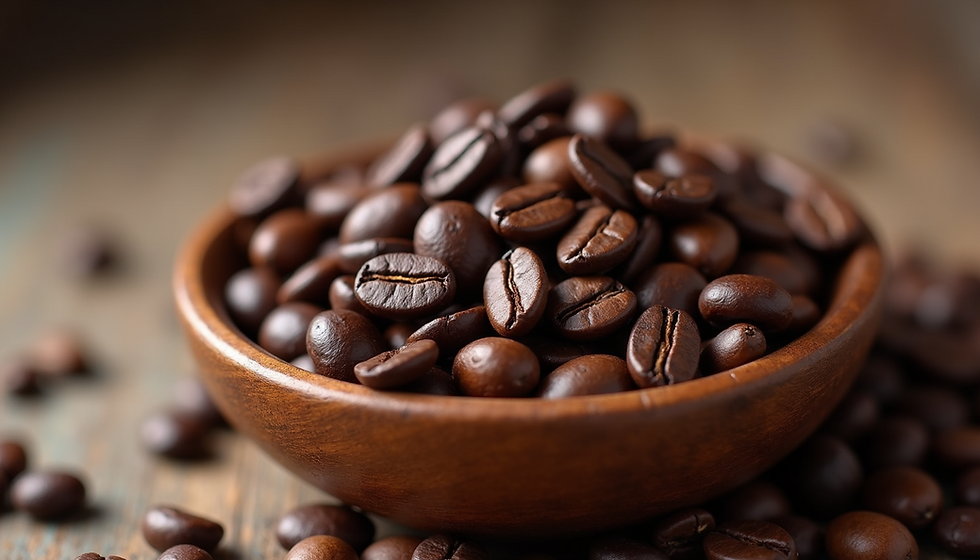
Before you start brewing, it helps to know what makes Pike Place Roast special. This isn't a single-origin coffee; it's a carefully crafted blend of 100% Arabica beans sourced primarily from Latin America. The roasters at Starbucks select beans from regions like Colombia and Brazil, known for producing smooth, balanced coffees with natural sweetness.
The Pike Place Roast taste notes cocoa nuts are what make this blend stand out. When you take that first sip, you'll notice gentle chocolate undertones paired with a toasted, nutty finish. There's no sharp bitterness or overwhelming intensity—just a well-rounded cup that works beautifully any time of day.
Medium roast means these beans are roasted to the sweet spot between light and dark. Light roasts tend to be bright and acidic (sometimes tea-like), while dark roasts are bold and smoky. Pike Place sits right in the middle, offering enough body to feel satisfying without masking the bean's natural flavors. This balance is exactly why it's become Starbucks' everyday coffee—it pleases almost everyone.
The roasting process brings out caramelized sugars in the beans, which creates that subtle sweetness you taste. The Pike Place Roast coffee bean origins in Latin America contribute to this smooth character, as these regions produce beans with lower acidity and naturally sweet profiles. When you brew Starbucks Pike Place coffee at home, you're getting the same beans used in every Starbucks café worldwide.
Essentials: What You Need Before You Brew
Great coffee starts before you even turn on the brewer. Having the right tools and ingredients makes the difference between a decent cup and an outstanding one.
The Beans: Whole vs. Pre-Ground
Always choose whole beans when possible. Coffee starts losing its flavor within 15 minutes of grinding because the oils and aromatics escape when exposed to air. Fresh beans mean fresh taste. If you must use pre-ground coffee, store it in an airtight container and use it within a week.
Grinder: Your Most Important Tool
A burr grinder is worth the investment. Unlike blade grinders (which chop beans unevenly, creating bitter dust and large chunks), burr grinders crush beans between two surfaces for consistent particle size. This consistency means even extraction and better-tasting coffee. The best grind size for Pike Place Roast varies by brewing method, but a good grinder lets you adjust precisely.
Water Quality: The 98% Rule
Here's something many people overlook: your coffee is about 98% water. If your tap water tastes funny, your coffee will too. Filtered water removes chlorine, minerals, and other impurities that interfere with flavor extraction. In India especially (more on this later), water quality varies significantly by city, so filtration or bottled water makes a noticeable difference.
Pike Place Roast water temperature matters tremendously. The ideal brewing temperature is 195°F–205°F (90-96°C). Water that's too hot burns the coffee, creating bitterness. Water that's too cool under-extracts, leaving you with weak, sour coffee. Most automatic machines handle this automatically, but for manual methods, let boiling water rest for 30-45 seconds before pouring.
Clean Equipment Equals Clean Taste
Coffee oils build up on your French press, drip brewer, or pour-over cone over time, turning rancid and affecting flavor. Wash all equipment with hot water and mild soap after each use. Give your drip machine a vinegar cleaning cycle monthly to remove mineral deposits.
Brewing Methods — Step-by-Step for Each
Now for the good stuff. The golden rule for coffee ratio for Pike Place Roast is 2 tablespoons (about 10 grams) of ground coffee per 6 fluid ounces (180 ml) of water. This ratio comes straight from coffee experts and gives you that balanced, medium-strength cup Pike Place is known for. You can always adjust based on your taste, but this is your starting point.
Drip Coffee Maker / Automatic Machine
The drip method is how most people brew Pike Place Roast drip coffee, and for good reason—it's foolproof and consistent.
Grind Size: Medium, similar to coarse sea salt or cornmeal. Too fine and your coffee gets bitter; too coarse and it tastes weak.
Step-by-Step:
Measure your beans: For an 8-cup pot (48 oz of water), you'll need about 16 tablespoons (80g) of coffee.
Grind the beans just before brewing.
Add a paper or permanent filter to the basket.
Add your ground coffee and level it gently—don't pack it down.
Fill the reservoir with fresh, cold, filtered water.
Start the brew cycle.
Important: Drink your coffee within 20 minutes of brewing. Sitting on a hot plate continues cooking the coffee, making it bitter and burnt-tasting.
This method is perfect for busy mornings when you need coffee fast but still want café quality.
Pour-Over / Cone Method
Pour-over is a Pike Place Roast brewing method that gives you incredible control over extraction. It takes a bit more attention but rewards you with a bright, clean cup that highlights the cocoa and nut notes beautifully.
Grind Size: Medium-fine, like table salt or fine sand.
Step-by-Step:
Place your filter in the cone and rinse it with hot water (this removes paper taste and preheats the brewer). Discard the rinse water.
Add your ground coffee (2 tbsp per 6 oz).
The Bloom: Pour just enough hot water to saturate the grounds (about twice the weight of the coffee). Wait 30-45 seconds. This releases trapped CO2 gas, which allows better flavor extraction.
Pour the remaining water slowly in a spiral pattern, starting from the center and moving outward, then back to center. Keep the water level consistent.
Total brew time should be 3-4 minutes.
Why does this work so well? The slow, controlled pour ensures every coffee particle gets extracted evenly. You're essentially handcrafting each cup, which is why pour-over enthusiasts swear by this method for home brewed Starbucks coffee recipe perfection.
French Press / Coffee Press
The French press creates the richest, fullest-bodied version of Pike Place Roast. This French press Pike Place Roast recipe is my personal favorite for weekend mornings.
Grind Size: Coarse, like kosher salt or breadcrumbs. This is absolutely critical. Fine grinds slip through the mesh filter, creating muddy, over-extracted coffee that's bitter and gritty.
Step-by-Step:
Heat your water to boiling, then let it cool for 30 seconds (getting it to that ideal temperature range).
Add coarse-ground coffee to the empty press (2 tbsp per 6 oz, or about 8 tbsp for a standard 32 oz press).
Pour hot water over the grounds, making sure all coffee is saturated.
Give it a gentle stir with a wooden or plastic spoon (metal can chip the glass).
Place the lid on with the plunger pulled up. Let it steep for exactly 4 minutes.
Press the plunger down slowly and steadily—this should take about 20-30 seconds.
Pour immediately to avoid over-extraction.
The French press is a full-immersion method, meaning the coffee grounds steep directly in water the entire time. This traps the natural oils that paper filters would absorb, giving you a heavier body and more pronounced chocolate notes. It's perfect when you want that café-style richness at home.
Advanced Tips — For a Better, More Controlled Cup
Once you've mastered the basics, these tips help you fine-tune your home brewed Starbucks coffee recipe to match your exact preferences.
Adjusting Strength:
Want stronger coffee? Add more coffee grounds rather than brewing longer—over-extraction makes coffee bitter, not stronger. A good starting point is 2.5 tablespoons per 6 oz of water.
Want lighter coffee? Don't use less coffee when brewing; instead, dilute your finished coffee with hot water. This preserves the balanced flavor while reducing intensity. It's called an Americano when done with espresso, and the same principle works with regular coffee.
Freshness & Storage:
Coffee is the enemy of oxygen, light, moisture, and heat. Store your fresh beans in an airtight, opaque container in a cool, dark cabinet (not the fridge—coffee absorbs odors and moisture). Buy in smaller quantities and use within 2-3 weeks of the roast date for peak flavor. Once opened, aim to finish the bag within a week.
Troubleshooting Common Issues:
Too bitter? Try a coarser grind or lower your water temperature by 5 degrees. You might also be brewing too long.
Too weak or watery? Use a finer grind or add a bit more coffee. Make sure your water is hot enough (195°F minimum).
Tastes flat or cardboard-like? Your beans are probably stale, or your water needs filtering.
Sour or sharp? Water temperature is too low, or your grind is too coarse, causing under-extraction.
Brewing Pike Place Roast in Indian Context — What to Consider
If you're brewing Starbucks Pike Place coffee at home in India (and especially if you're ordering from LondonKart), there are some unique factors to keep in mind for the best results.
Water Quality Across Indian Cities
Water hardness varies dramatically across India. Cities like Delhi, Pune, and Bengaluru often have hard water with high mineral content (calcium and magnesium), while other regions have heavily chlorinated municipal water. Both affect coffee flavor—hard water can make coffee taste dull and chalky, while chlorine adds chemical notes.
Solution: Use filtered water or bottled water with neutral mineral content. A simple carbon filter pitcher works wonders. RO water is fine, but if it's overly purified, it can under-extract (minerals help extraction). Bisleri or similar brands work well for consistency.
Climate and Storage Challenges
India's humid climate, especially during monsoons, is coffee's worst enemy. Moisture causes beans to go stale faster and can even lead to mold. Your Pike Place Roast coffee bean origins in Latin America mean these beans were processed in much drier conditions.
Solution: Store beans in an airtight container with a one-way valve if possible. Consider adding silica gel packets (the kind that come with electronics) to absorb excess moisture. Keep beans in the coolest, driest part of your kitchen—definitely not near the stove or in direct sunlight. In extreme humidity, some coffee enthusiasts even vacuum-seal their beans in smaller portions.
Adjusting for Mug Size
Indian coffee culture often involves larger servings (200-240 ml mugs) compared to the standard 180 ml American cup. If you're using bigger mugs, remember to adjust your coffee ratio for Pike Place Roast proportionally—that's about 3 tablespoons of coffee per 240 ml mug to maintain the same strength.
Adapting to Local Taste Preferences
Many Indians grew up with filter coffee or chai, which tend to be milk-forward and sweeter. Pike Place is designed to be enjoyed black, but there's no coffee police—drink it how you love it.
Try this "Café-Style" variation: Brew your Pike Place slightly stronger (2.5 tablespoons per 6 oz), then add warm milk and sugar to taste. The cocoa and nut notes pair beautifully with milk, creating a drink that feels familiar but elevated. You get the Starbucks quality with the comfort of traditional Indian coffee culture.
Variations You Can Try (Optional / Experimental)
Once you've nailed the classic hot brew, these variations let you explore different sides of Pike Place Roast.
Iced Pike Place Coffee
The iced Pike Place coffee recipe is perfect for India's hot months (which, let's be honest, is most of the year).
Method: Brew your coffee slightly stronger than usual—use 3 tablespoons per 6 oz instead of 2. Brew hot using any method above, then immediately pour over a glass filled with ice. The ice melts and dilutes the coffee, bringing it back to perfect strength. Add milk and sweetener if desired. The cocoa notes become even more pronounced when cold.
Cold Brew Pike Place Roast at Home
Cold brew Pike Place Roast at home is a game-changer. It's smooth, naturally sweet, and about 60% less acidic than hot coffee—perfect if you have a sensitive stomach.
Method:
Use a coarse grind (same as French press).
Combine 1 cup (100g) of ground coffee with 4 cups (950ml) of cold, filtered water in a jar or pitcher.
Stir gently, cover, and refrigerate for 12-18 hours.
Strain through a fine-mesh sieve or coffee filter.
What you have now is concentrate—dilute it 1:1 with water or milk before drinking.
Cold brew stays fresh in the fridge for up to 2 weeks and is incredibly convenient. Mix a glass in seconds whenever you need it.
Common Mistakes & Troubleshooting (The Fixes)
Even experienced home brewers make these mistakes. Here's how to avoid them:
Mistake: Using old, stale beans The Fix: Coffee peaks 3-14 days after roasting. Check the roast date on your bag (not just the "best by" date) and use beans quickly. Whole beans stay fresher longer than pre-ground.
Mistake: Inconsistent grind size The Fix: Invest in that burr grinder. Blade grinders create powder and chunks, leading to simultaneous over-extraction (bitter) and under-extraction (sour).
Mistake: Not measuring coffee and water The Fix: Eyeballing leads to inconsistent results. Use measuring spoons or, better yet, a kitchen scale (10g coffee per 180ml water).
Mistake: Brewing too much and letting it sit The Fix: Brew only what you'll drink in 20 minutes. Coffee sitting on a hot plate gets bitter and burnt. If you need coffee later, brew fresh or use cold brew.
Mistake: Ignoring water quality The Fix: If your water tastes bad plain, it'll taste worse in coffee. Filter it.
A Note from Coffee Experts:
"The official recommendation for Starbucks coffee is 2 tablespoons of ground coffee per 6 fluid ounces of water. This ratio has been tested and refined to bring out Pike Place Roast's balanced flavor profile. Start here, then adjust to find your perfect cup!"
— Based on Starbucks Brewing Guidelines and Coffee Quality Institute Standards
Conclusion
Making perfect Starbucks Pike Place Roast coffee at home comes down to three fundamentals: the right grind size for your brewing method, the proper coffee-to-water ratio (starting with 2 tablespoons per 6 oz), and using fresh, filtered water at the correct temperature. Master these basics and you'll brew café-quality coffee every single morning.
Remember, coffee is personal. What tastes perfect to you might be too strong or weak for someone else. Use this guide as your foundation, then experiment. Try different brewing methods on different days. Adjust the strength. Play with that French press technique. The beauty of home brewed Starbucks coffee recipe mastery is that you're in control.
Whether you're ordering your beans from LondonKart in India or grabbing them from your local Starbucks, you now have everything you need to brew exceptional coffee at home. The Pike Place Roast taste notes cocoa nuts and smooth, balanced body will shine through in every cup.
What's your favorite brewing method? Have you discovered any tricks that work especially well with Pike Place Roast? Share your experiences in the comments below—let's learn from each other and keep improving our coffee game together.
FAQ Section: Your Pike Place Roast Questions Answered
Q. Can I brew Starbucks Pike Place Roast in a drip coffee machine at home?
Yes. Starbucks Pike Place Roast works very well in drip coffee machines.Use a medium grind, 2 tablespoons of coffee per 6 oz of water, and fresh filtered water. Drink within 15–20 minutes after brewing to avoid bitterness. Drip brewing highlights Pike Place Roast’s smooth, balanced flavor and is ideal for making multiple cups quickly.
Q. What’s the best grind size for Pike Place Roast?
The best grind size depends on the brewing method:
French Press: Coarse grind
Drip Coffee Maker: Medium grind
Pour-Over: Medium-fine grind
Using the correct grind prevents bitterness (too fine) and sour taste (too coarse). A burr grinder gives the best control and consistency.
Q. What water temperature is best for brewing Pike Place Roast?
The ideal water temperature is 195°F–205°F (90–96°C).If boiling water manually, let it rest for 30–45 seconds before brewing. Water that’s too hot causes bitterness, while cooler water leads to weak, sour coffee. Most drip machines already brew in the correct range.
Q. How important are water quality and bean freshness?
They are critical. Coffee is 98% water, so filtered or low-mineral water greatly improves taste—especially in areas with hard water.Freshness matters just as much: use whole beans, check the roast date, and consume within 2–3 weeks. Store beans in an airtight, opaque container away from heat and moisture. No brewing method can fix stale beans.
Q. How do I make Pike Place Roast stronger or lighter?
For stronger coffee:Increase the coffee amount to 2.5–3 tablespoons per 6 oz. Do not brew longer, as over-extraction causes bitterness.
For lighter coffee:Brew at the normal ratio, then add hot water after brewing. This keeps the flavor balanced while reducing strength.
Q. Can I make iced or cold brew with Pike Place Roast?
Yes, both work very well.
Iced coffee:Brew at 1.5× strength, then pour directly over ice. This preserves flavor after dilution.
Cold brew:Use a coarse grind, mix 1 cup coffee with 4 cups cold water, steep 12–18 hours, then strain. Dilute before drinking. Cold brew is smoother, less acidic, and ideal for hot climates.
Q. What can I use if Pike Place Roast isn’t available?
Look for a medium roast with Latin American origins and notes like cocoa, nuts, caramel, or balanced.
Good substitutes include:
Colombian medium roast
Brazilian Santos
Breakfast-style blends labeled “smooth” or “balanced”
Avoid very dark or very light roasts—they won’t match Pike Place Roast’s signature profile.

Comments