
What Are Coffee Pods? A Complete Guide to Types, How They Work, and Sustainability
- Sam Blake
- Sep 2, 2025
- 8 min read
Updated: Sep 5, 2025
Imagine getting that perfect café-style coffee at home in under a minute, with zero guesswork and consistent results every single time. That's the magic of coffee pods.
So, what are coffee pods? Simply put, coffee pods are perfectly measured, single-serving packets of ground coffee sealed for freshness. Think of them as your personal barista in a small, convenient package – ready to deliver that rich, aromatic cup whenever you need it.
Whether you're rushing to catch the morning train in Mumbai or settling in for an evening coffee break in Bangalore, coffee pods have revolutionized how we brew our favorite beverage. This complete guide will walk you through everything you need to know: the different types available, how they actually work their magic, and most importantly, how to
choose the best option for both your taste buds and our planet.

What Are Coffee Pods? A Closer Look
Coffee pods come in two main formats, and understanding the difference is crucial for making the right choice:
Hard Capsules (Aluminum/Plastic): These are the sealed, rigid capsules you'll recognise from brands like Nespresso and Dolce Gusto. They're completely airtight and designed for high-pressure brewing systems.
Soft Paper Pods (ESE): These look more like tea bags filled with coffee. They're flat, round, and made from filter paper. Think of them as the gentler cousin of hard capsules.
The story of coffee pods began in the 1980s and 90s when coffee innovators sought to solve a common problem: how do you get consistently excellent coffee without being a trained barista? The answer was pre-measured, sealed coffee portions that guarantee the same great taste, cup after cup.
Since then, coffee pods have become a global phenomenon, with millions of people discovering that café-quality coffee doesn't require expensive equipment or years of practice – just the right pod and the push of a button.
How Coffee Pods Work: The Simple Science of a Perfect Brew
The beauty of coffee pods lies in their elegant simplicity. Here's exactly how they transform ground coffee into your perfect cup:
Insert the pod into your compatible machine
The machine pierces the pod (usually at the top and bottom)
Hot, pressurized water flows through the coffee grounds at the optimal temperature
Your fresh coffee flows directly into your cup
This process works so well because it eliminates human error. Every variable – the amount of coffee, the grind size, the water temperature, and the extraction time – is precisely controlled. No more weak coffee because you used too little grounds, or bitter coffee because you left it brewing too long.
Advanced systems like Nespresso take this even further with innovations like Centrifusion technology. Some pods contain barcodes that tell the machine exactly how to brew that specific blend – the optimal water temperature, brewing time, and even spinning speed to create perfect crema. It's like having a master roaster programming each cup individually.
This is the next level of coffee technology, where your machine becomes an intelligent brewing assistant that knows exactly what each coffee needs to shine.
The Main Types of Coffee Pods: Pros, Cons, and Who They're For

Aluminum Pods: The Gold Standard for Freshness
Aluminum pods represent the premium choice in coffee pod technology. Here's why they're considered the gold standard:
The Science of Freshness: Aluminum creates a perfect barrier against coffee's three biggest enemies – oxygen, light, and moisture. This means your coffee stays as fresh as the day it was roasted, sometimes for months.
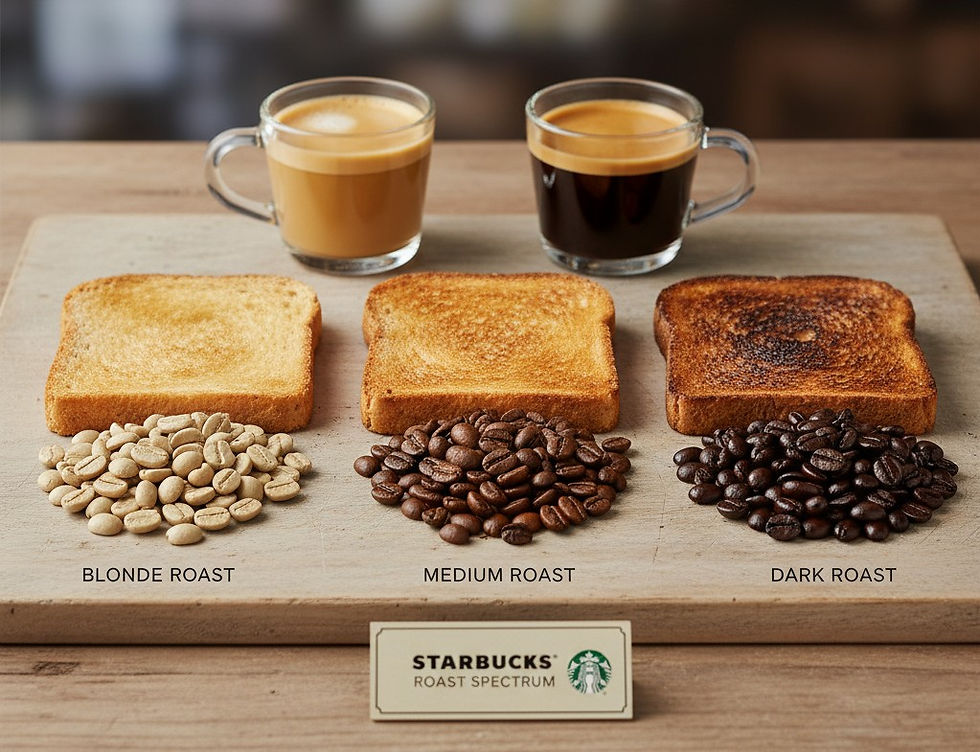
Premium Brand Choice: This is the format chosen by world-class coffee brands like
Starbucks and illy (both available on Londonkart). When premium roasters want to preserve their signature flavors, they choose aluminum.
Infinite Recyclability: Unlike plastic, aluminum can be recycled endlessly without losing quality. It's one of the most sustainable materials on Earth – when properly recycled.
Best For: Coffee lovers who refuse to compromise on flavor and want their daily cup to taste exactly like the roaster intended.
Plastic Pods: Popular but Problematic
Plastic pods (like K-Cups) gained popularity due to their widespread availability and lower cost. However, they come with significant drawbacks:
Environmental Challenge: Most plastic pods are difficult to recycle in India's current waste management system. They often end up in landfills where they can take hundreds of years to decompose.
Flavor Protection: Plastic isn't as effective as aluminum at keeping oxygen out, which means coffee can lose its freshness faster.
Best For: Budget-focused users who prioritize convenience over environmental impact and premium flavor.
Compostable Pods: The Eco-Conscious Choice
Compostable pods represent the future of sustainable coffee brewing:
Back to Earth: These pods are designed to break down completely in industrial composting facilities, returning nutrients to the soil.
The Trade-off: While excellent for the environment, compostable materials may not protect coffee freshness as effectively as aluminum, potentially affecting flavor over time.
Best For: Environmentally conscious coffee drinkers who want to enjoy their daily cup guilt-free.
Soft Paper Pods (ESE): Simple and Biodegradable
ESE (Easy Serving Espresso) pods offer the simplest approach to pod coffee:
Biodegradable Design: Made from filter paper, these pods can be composted along with the coffee grounds.
Limitations: They're more fragile than hard capsules and can sometimes impart a slight paper taste. They're also less effective at preserving coffee freshness.
Best For: Occasional coffee drinkers who want a simple, environmentally friendly option.
Sustainability: Which Pod is a Win for the Planet?
When it comes to environmental impact, not all pods are created equal. Let's break down the real environmental story:
Aluminum: The Infinitely Recyclable Choice
Aluminum pods are infinitely recyclable – they can be melted down and reformed into new products countless times without quality loss. However, there's an important catch: they can't go in your regular home recycling bin due to their small size and mixed materials.
The key is participating in dedicated recycling programmes. Brands like Nespresso have established collection points and mail-back programmes specifically for their pods.
Compostable: The Back-to-Earth Solution
Compostable pods offer the ultimate "back to earth" benefit. In proper composting conditions, they break down into nutrient-rich soil amendments. This is particularly appealing if your city has industrial composting facilities.
Plastic: The Most Challenging Choice
Plastic pods present the biggest environmental challenge. Most contain multiple materials that are difficult to separate for recycling, and India's waste management infrastructure isn't equipped to handle them effectively. They often end up in landfills or, worse, in our waterways.
Innovation on the Horizon
The coffee industry is responding to environmental concerns with exciting innovations. Companies like Keurig are developing fully compostable alternatives to traditional K-Cups, showing that the future of coffee pods is getting greener.
A Practical Guide to Recycling Coffee Pods
Let's be honest: your regular curbside recycling won't work for small pods. Here's how to properly recycle them:

For Aluminum Pods:
Use brand programmes: Most premium brands offer mail-back or drop-off programmes
Find collection points: Check the brand's website for nearby collection locations
Simple storage tip: Keep a small container next to your coffee machine to collect used pods throughout the week
For Compostable Pods:
Check local facilities: Verify that your area has industrial composting capabilities
Home composting: Some pods are suitable for home compost bins – check the packaging
Pro Tip from Experience:
Rinse your used pods before storing them for recycling. This prevents odors and makes the recycling process more efficient. Most collection points appreciate this small effort.
How to Choose the Right Coffee Pod for You
Choosing the perfect pod comes down to understanding your priorities:
Your Machine Matters Most
Compatibility is king. Before falling in love with any pod, ensure it works with your machine:
Nespresso pods work only in Nespresso machines
Dolce Gusto pods require Dolce Gusto machines
ESE pods need ESE-compatible machines
Always check the packaging – buying incompatible pods is the most common (and expensive) mistake new pod users make.
Your Priorities: Flavor vs. Environment
For Maximum Flavor: Choose aluminum pods from premium brands. The superior freshness preservation means each cup tastes exactly as the roaster intended.
For Environmental Peace of Mind: Opt for compostable pods or aluminum pods with a strong recycling commitment.
For Budget Consciousness: Consider the per-cup cost alongside the environmental and flavor trade-offs.
Your Budget Considerations
Calculate the real cost per cup:
Premium aluminum pods: ₹25-40 per cup
Standard plastic pods: ₹15-25 per cup
Compostable pods: ₹20-35 per cup
Compare this to your current café visits – most pod coffee costs significantly less than café prices while delivering comparable quality.
Pro Tips & Hidden Secrets
Coffee Hacks That Actually Work:
Double Shot Power: Use two pods for an extra-strong coffee when you need that Monday morning boost.
Pre-warm Your Mug: Run hot water through your empty mug before brewing. This simple trick keeps your coffee hotter longer and tastes noticeably better.
Perfect Timing: For the best flavor extraction, let your machine heat up completely before brewing your first cup of the day.
DIY Sustainability:
Give Grounds a Second Life: Used coffee grounds make excellent fertilizer for acid-loving plants like tomatoes and roses. Your garden will thank you.
Natural Deodorizer: Dry used coffee grounds can absorb odors in your refrigerator or shoe cupboard.
Watch Out For:
Pod Lock-in: Some machines only accept specific brand pods. Before buying a machine, check whether you'll be limited to one brand's selection and pricing.
Compatibility Confusion: Always double-check pod compatibility – the packaging should clearly state which machines it works with.
Quick Comparison Table
Pod Type | Pros | Cons | Best For |
Aluminium | Best freshness, recyclable, durable | Needs special recycling | Coffee lovers who prioritise quality |
Compostable | Fully biodegradable | Less flavour protection | Eco-conscious users |
Soft Paper | Simple, biodegradable | Fragile, can taste papery | Occasional light coffee drinkers |
Plastic | Cheap, common | Bad for the environment | Budget-focused, convenience users |
Frequently Asked Questions (FAQs)
Q1: Are coffee pods better than instant coffee?
Absolutely yes. Coffee pods contain freshly ground coffee beans, while instant coffee is made from dehydrated coffee extract. This means pods deliver significantly better flavour, aroma, and overall coffee experience. The difference is like comparing fresh fruit to fruit powder – there's simply no contest.
Q2: Can I use any pod in any machine?
No, compatibility is crucial. Nespresso pods work only in Nespresso machines, Dolce Gusto pods in Dolce Gusto machines, and so on. Using incompatible pods can damage your machine or simply won't work. Always check the packaging for compatibility information before purchasing.
Q3: Are coffee pods expensive?
While there's an upfront cost for the machine, the per-cup price of pods (₹15-40) is often less expensive than café coffee while offering comparable quality. When you factor in convenience and consistency, pods provide excellent value for money.
Q4: Do aluminum coffee pods pose a health risk?
No, they're completely safe. The aluminum in coffee pods is lined with a food-grade coating that prevents any contact between the aluminum and your coffee. This technology has been used safely in food packaging for decades.
Q5: How long do coffee pods stay fresh?
Properly sealed pods can maintain their freshness for 12-18 months when stored in a cool, dry place. Aluminum pods typically stay fresh longer than other types due to their superior barrier properties.
Q6: Can I recycle coffee pods at home?
Most coffee pods cannot be recycled through regular home recycling programmes due to their small size and mixed materials. However, many brands offer dedicated recycling programmes with mail-back options or collection points.
Ready to Start Your Pod Coffee Journey?
Coffee pods represent the perfect marriage of convenience and quality – they're all about fantastic coffee made easy. The right choice depends on your machine compatibility, taste preferences, and environmental values.
Now that you know what coffee pods are and how to choose between them, you're equipped to find the perfect pod for your daily brew. Whether you prioritize the ultimate in flavor preservation with aluminum pods, want to make an environmentally conscious choice with compostable options, or need a budget-friendly solution, there's a pod that matches your lifestyle.
Ready to explore the best? Discover our curated selection of premium, flavor-packed aluminum coffee pods from world-class brands like Starbucks and illy.
What's your favorite coffee pod? Share your pick in the comments below!
This guide was brought to you by the coffee experts at Londonkart, dedicated to helping you enjoy the finest coffee experiences at home.
Comments